Trees absorb carbon dioxide (CO2) from the atmosphere. That gets stored in forests and forest products. The forest products industry is also taking steps to improve greenhouse gas (GHG) emissions and energy efficiency. In fact, the industry has reduced GHG emissions by more than 24% since 2005.
Sustainability is an important consideration across industries. The paper industry was one of the first manufacturing industries to voluntarily set quantifiable sustainability goals. We have made significant strides toward sustainable forest management, resource efficiency and paper recycling.
The forest products industry is inherently circular in its supply chain. Trees are replanted to supply fiber and enhance the environment. And paper and packaging are recycled to make new products. This is how our industry is contributing to a more sustainable future. Learn more about our…
Paper continues to offer many advantages. From permanent record-keeping to accessibility and sustainability. Paper provides a range of benefits that make it a valuable option today.
The paper and wood products industry is a leader in promoting sustainable forest management. As a condition of membership, AF&PA members are committed to sustainable forest management and sourcing wood from responsibly managed forests. We source our trees from healthy, well-managed working…
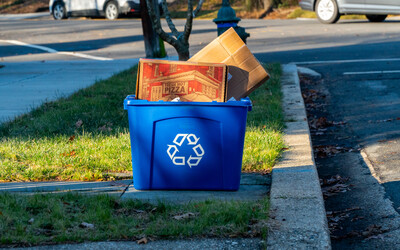
We’re aiming to answer a common question that causes a lot of confusion across the United States: Are pizza boxes recyclable? We’re here to set the record straight.
There are benefits to taking a balanced approach between digital and paper-based options. Going completely paperless may not always be the best solution. Let's explore why.
People want to know, is the paper industry really sustainable? The answer is yes! Your essential paper products are sustainable. The paper industry is a leader in sustainability, taking steps to reduce GHG emissions, increase energy efficiency and advance sustainable forest management. …
Hong Wilcoxon is the quality manager at Domtar’s Engineered Absorbent Materials (EAM) facility in Jesup, Georgia. She helps make change for the better, including innovative products with sustainable, nonwoven materials.
You can’t make paper without water. That’s one reason water stewardship is so important to the paper and wood products industry. Lisa Bauer-Lotto shares news of Green Bay Packaging’s ground-breaking net-zero water achievement and how the industry is advancing sustainability.
Before paper as we know it existed, people communicated through pictures and symbols carved into tree bark, painted on cave walls, and marked on papyrus or clay tablets. Then, paper came along.